Charlotte Mason was an educator of the English working classes in the late 1800s. She believed in education for all and that the poor and working classes could better them selves and raise all of society through a liberal education. Her work in education makes her one of my heroes, and I value how she saw children and families as whole units, vital to society. She believed not only in education of the mind but of the morals and habits.
“The mother who takes pains to endow her children with good habits secures for herself smooth and easy days.” -Charlotte Mason

The deliberate cultivation of good habits in children yields dividends that extend beyond immediate conduct, shaping daily life for the entire household. A mother’s thoughtful guidance in forming routines, dispositions, and self-regulation lays a foundation for smoother days and more purposeful years.
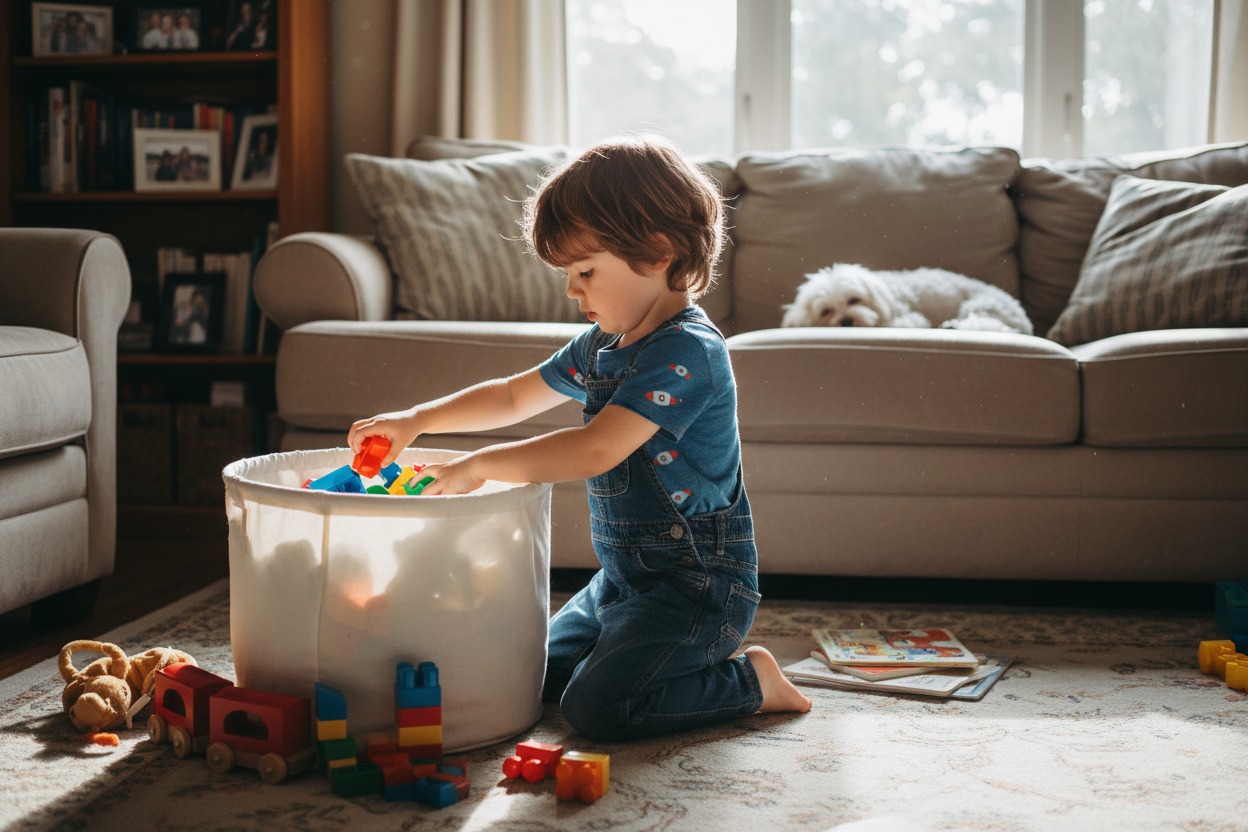
The core idea: habits as the architecture of daily life
Habits are like quiet helpers that keep things moving even on days when motivation is low. When kids build routines—like a calm morning, focused study time, and kind communication—the whole home feels more predictable and peaceful. That steady rhythm eases daily friction, helps children grow more independent, and makes room for real learning and quality family moments.
Principles for cultivating good habits
- Start small and be consistent: Choose one or two simple practices at a time and reinforce them with steady, patient repetition.
- Model the behavior yourself: Children imitate, absorb, and internalize what they observe in daily life.
- Tie habits to values: Connect routines to enduring principles such as responsibility, courtesy, and perseverance.
- Use gentle accountability: Encourage reflection after missteps and celebrate steady progress rather than perfection.
- Create a supportive environment: Provide clear cues, accessible materials, and structured times that make good habits easier to sustain.
Practical steps for mothers to implement
- Establish a predictable morning routine: A calm start sets a constructive tone for the day.
- Design a focused learning window: Short, distraction-free periods encourage concentration and mastery.
- Reinforce respectful dialogue: Help children articulate needs and listen attentively to others.
- Prioritize self-regulation: Teach children strategies to manage frustration, such as breathing exercises or counting to ten.
- Create a habit tracker: A simple chart can visualize progress and provide positive reinforcement.
Common challenges and thoughtful responses
Most children will resist at first. The solution is to offer choices within the structure. If you have a rule that they must dress themselves before breakfast, offer two outfit options. Do not let them choose whether to obey.
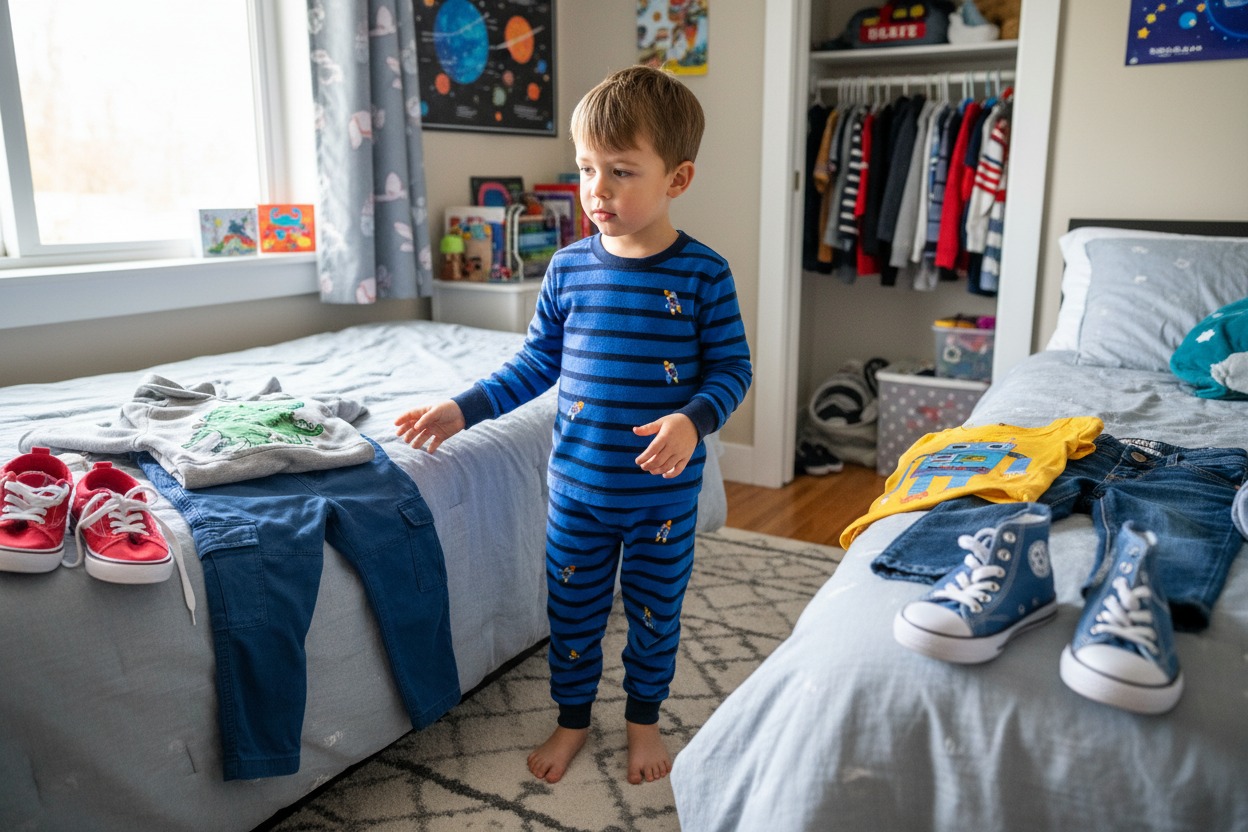
If your follow-through is inconsistent, the new rule will never work. It is human nature to push boundaries and let things slide. It takes work and discipline, in this case from the parent, to overcome the lowest common denominator. Parents are human too, though, so if you fail to check up just start over and try again.
Real life is full of disruptions. Things like illness, vacations, appointments, and phone calls can wreck your routine. The first key is a simple routine that can weather disruptions. The second is to pick back up once things calm down. If your morning routine starts a half hour late because of an unexpected phone call, then live with being a bit late. You can also train your children to handle your disruptions by managing themselves for a short time once they are four and older.
Every parent will experience fatigue and burnout when training children. Children will push your buttons. They will resist your training. They will slack off the moment your back is turned. You must have grace for yourself and grace for your child. If you lose your cool or slack off, just start over. You can do it. You can also rethink your expectations and your approach. If your child is struggling with the routine sometimes they simply need disciple, but sometimes they are having a bad day or struggling with the expectations. Be flexible. Be willing to compromise. Be willing to redesign your whole approach.
The long-term impact: why smooth days matter
When good habits take root, families experience fewer repeated frictions, more efficient use of time, and richer interactions. Children grow into individuals who value consistency, perseverance, and self-respect. For the mother, the cumulative effect manifests as greater calm, clearer priorities, and more opportunities to invest attention where it matters most.
Conclusion
The Charlotte Mason quote reminds us that good habits grow slowly, day by day. When a mom guides her kids with patience, clear expectations, and the values they share as a family, she’s building a foundation for easy, calm days — not just today, but for years to come.